Comprehensive Energy Audit Solutions An EnergyEnergy Audit Audit is a systematic assessment of energy consumption, energy flows, and operating systems within a facility. Our energy audit services help identify energy losses, improve system efficiency, reduce unnecessary energy consumption, and uncover practical opportunities for cost savings without compromising productivity, comfort, safety, or operational performance. We evaluate major energy-consuming systems and equipment based on the nature of the facility and provide practical recommendations to improve overall energy performance, reduce energy wastage, and control operating costs.

What is an Energy Audit?

An Energy Audit involves the inspection, assessment, measurement, and analysis of energy consumption within a building, industrial facility, process, or system.

The objective is to identify where and how energy is being consumed, locate areas of energy loss or inefficiency, and recommend practical measures to improve energy performance.

Our approach focuses on achieving measurable energy savings while maintaining the required productivity, comfort, safety, and operational performance of the facility.

Sectors We Serve

We provide energy audit and energy efficiency assessment services across commercial, industrial, institutional, residential, and specialized facilities.

Commercial Buildings

Assessment of electrical systems, HVAC, lighting, lifts, pumps, and other major energy-consuming systems to identify energy-saving opportunities.

Residential Buildings

Energy assessment of residential complexes and housing societies, including common-area lighting, HVAC, pumps, lifts, and other shared utilities.

Offices & Corporate Facilities

Evaluation of lighting, air-conditioning, electrical equipment, and energy consumption patterns to improve workplace energy efficiency.

Schools & Educational Institutions

Assessment of lighting, HVAC, electrical systems, laboratories, and other facilities to identify practical energy conservation opportunities.

Industries & Manufacturing Plants

Detailed assessment of motors, pumps, compressors, production equipment, electrical systems, and other energy-intensive processes.

Hospitals & Healthcare Facilities

Energy performance assessment of HVAC, lighting, pumps, medical support infrastructure, and other critical systems.

Hotels & Hospitality

Evaluation of air-conditioning, hot water systems, kitchens, laundry, lighting, pumps, and other energy-intensive operations.

Data Centers

Assessment of power distribution, UPS systems, cooling infrastructure, server-room energy consumption, and other critical systems.

Key Areas Covered in Our Energy Audit

Electrical Systems

Power consumption, demand patterns, power factor, distribution systems, and electrical losses.

HVAC Systems

Air-conditioning performance, operating efficiency, temperature settings, and energy consumption.

Lighting Systems

Lighting efficiency, operating schedules, controls, and opportunities for energy-efficient improvements.

Motors & Pumps

Motor loading, operating efficiency, pump performance, and potential energy-saving measures.

Compressors & Utilities

Compressed-air systems, leakage, operating pressure, and overall system efficiency.

Energy Consumption Analysis

Analysis of electricity bills, load patterns, energy consumption trends, and major energy-consuming areas.

Benefits of an Energy Audit

  • Reduce Energy Consumption: Identify unnecessary energy consumption and opportunities to reduce wastage.
  • Lower Electricity Costs: Implement practical measures to reduce energy-related operating expenses.
  • Improve Equipment Efficiency: Identify inefficient equipment and systems affecting overall energy performance.


  • Identify Energy-Saving Opportunities: Discover low-cost, no-cost, and investment-based energy conservation measures.
  • Improve Operational Performance: Optimize energy-consuming systems without compromising productivity.
  • Support Sustainability Goals: Reduce energy wastage and support long-term energy efficiency initiatives.

Our Energy Audit Approach

01. Data Collection

Review electricity bills, operating schedules, equipment details, and available energy consumption data.

02. Site Assessment

Conduct a detailed on-site inspection of major energy-consuming systems and equipment.

03. Measurement & Analysis

Where required, use appropriate instruments and measurements to evaluate system performance and energy consumption.

04. Identify Opportunities

Identify energy losses, inefficiencies, and practical opportunities for energy conservation.

05. Recommendations

Provide prioritized recommendations based on potential savings, feasibility, and implementation requirements.

06. Energy Audit Report

Present findings, observations, energy-saving opportunities, and recommended measures in a structured audit report.

Energy Conservation
 
Energy conservation is the process of reducingEnergy Conversion unnecessary energy consumption by improving the efficiency of equipment, systems, processes, and day-to-day operations. The objective is not simply to use less energy, but to use energy more efficiently while maintaining productivity, comfort, safety, and operational requirements.
 
Our Energy Conservation solutions help organizations identify energy wastage, improve the performance of energy-consuming systems, optimize operating practices, and implement practical measures that can deliver measurable and sustainable energy savings.
 
Our Approach to Energy Conservation
 
We follow a systematic approach to understand how energy is being consumed and where improvements can be made. Based on the facility, operating conditions, and energy consumption pattern, we identify suitable conservation opportunities and prioritize them according to energy-saving potential, technical feasibility, investment requirements, and expected returns.
 
Key Areas of Energy Conservation
 
Electrical Systems
Optimization of electrical distribution, power factor, demand management, load balancing, and overall electrical system performance.
 
HVAC & Cooling Systems
Improving the efficiency of air-conditioning and cooling systems through optimized operating conditions, controls, maintenance, and system performance.
 
Lighting Systems
Reducing lighting energy consumption through efficient lighting solutions, automation, scheduling, controls, and optimized illumination.
 
Motors, Pumps & Fans
Evaluating motor loading, pump performance, operating conditions, and equipment efficiency to minimize unnecessary energy consumption.
 
Compressed Air Systems
Identifying air leakage, excessive pressure, inefficient compressors, and other sources of energy loss in compressed-air systems.
 
Industrial Processes
Analyzing energy-intensive production processes, machinery, utilities, and operating practices to identify opportunities for improved energy efficiency.
 
Energy Conservation Measures
 
Depending on the facility and its requirements, recommended measures may include:
 
Optimization of equipment operating schedules
Reduction of unnecessary electrical loads
Improvement of power factor and demand management
HVAC and cooling system optimization
Efficient lighting and lighting controls
Motor and pump efficiency improvements
Compressed-air leakage reduction
Preventive maintenance and operational improvements
Energy-efficient equipment upgrades
Automation and energy monitoring solutions
Improved energy management practices
Benefits of Energy Conservation
 
Lower Energy Costs
Reduce electricity consumption and improve control over energy-related operating expenses.
 
Reduced Energy Wastage
Identify and eliminate avoidable energy losses across equipment and processes.
 
Improved Equipment Performance
Operate electrical and mechanical systems closer to their optimum efficiency.
 
Extended Equipment Life
Efficient operation and appropriate maintenance can reduce unnecessary stress and wear on equipment.
 
Improved Operational Efficiency
Optimize energy-consuming systems without compromising productivity or operational requirements.
 
Reduced Environmental Impact
Lower energy consumption can contribute to reduced greenhouse-gas emissions and support sustainability objectives.
 
From Assessment to Implementation
Our objective is to go beyond simply identifying energy-saving opportunities. We focus on practical, measurable, and economically viable solutions that organizations can implement and monitor.
 
Our process typically involves:
 
1. Assess → Understand current energy consumption and operating conditions.
 
2. Identify → Locate energy losses and inefficient systems or practices.
 
3. Analyze → Evaluate savings potential and technical feasibility.
 
4. Recommend → Develop prioritized energy conservation measures.
 
5. Implement → Support practical implementation of selected measures.
 
6. Monitor → Track performance and verify improvements wherever applicable.
 
Why Energy Conservation Matters
 
Energy conservation is an important part of effective energy management. With rising energy costs and increasing focus on sustainability, organizations can benefit significantly by understanding where energy is being consumed and taking targeted measures to improve efficiency.
 
A well-planned energy conservation program can help businesses reduce operating costs, improve system performance, minimize energy wastage, and build a more sustainable operation.

Electrical Safety Audit

Identify Electrical Hazards. Improve Safety. Protect People & Assets.

An Electrical Safety Audit is a systematic assessment of electrical installations, equipment, protection systems, and safety practices to identify potential hazards and reduce the risk of electrical accidents, equipment damage, fire, and operational disruptions.
Our Electrical Safety Audit services are designed to evaluate the overall safety and condition of electrical systems and identify areas requiring corrective or preventive action. We assess electrical installations based on site conditions, operational requirements, applicable safety practices, and relevant standards.

The objective is to help organizations create a safer, more reliable, and better-managed electrical environment while minimizing electrical risks and improving the overall safety of the facility.


What We Assess

Electrical Panels & Distribution Systems

Inspection of LT panels, distribution boards, MCCs, PCCs, busbars, breakers, connections, labeling, accessibility, and general panel condition.

Earthing & Grounding Systems

Assessment of earthing arrangements, earth pits, earth connections, bonding, continuity, and overall grounding effectiveness.

Cables & Wiring

Inspection of cable routing, insulation condition, cable termination, joints, support systems, identification, and potential signs of overheating or damage.

Protection & Safety Devices

Assessment of MCBs, MCCBs, RCCBs/ELCBs, fuses, relays, protective devices, and their suitability for the connected electrical loads.

Electrical Equipment

Inspection of motors, pumps, transformers, DG sets, UPS systems, capacitor banks, and other major electrical equipment.

Fire & Electrical Safety

Identification of electrical conditions that may increase the risk of short circuits, overheating, electrical fires, or equipment failure.

Electrical Work Practices

Review of electrical maintenance practices, safety procedures, isolation practices, warning signage, accessibility, and general workplace electrical safety.


Key Areas Covered in an Electrical Safety Audit

Electrical Installation Safety
Review of electrical installations, distribution systems, equipment condition, wiring, panels, and associated safety provisions.

Earthing & Bonding
Evaluation of earthing and bonding arrangements to help ensure effective fault-current paths and electrical safety.

Protection Coordination
Review of protective devices and their suitability for the electrical system and connected loads.

Thermal & Visual Inspection
Identification of abnormal heating, loose connections, damaged components, overloaded circuits, and other visible signs of electrical risk.

Load & Distribution Assessment
Review of electrical loading, distribution arrangements, phase balancing, and potential overloading conditions.

Safety Compliance Review
Assessment of electrical safety practices against applicable requirements, standards, and site-specific safety procedures.


Electrical Hazards We Help Identify

Our audit can help identify potential risks such as:

  • Overloaded electrical circuits
  • Loose or improper electrical connections
  • Inadequate or damaged earthing
  • Improper cable sizing or routing
  • Damaged insulation
  • Exposed live parts
  • Missing or unsuitable protective devices
  • Improper panel access or identification
  • Poor electrical housekeeping
  • Improper electrical extensions
  • Signs of overheating or abnormal temperature
  • Inadequate electrical safety signage
  • Unsafe maintenance practices
  • Potential fire hazards associated with electrical installations

Our Electrical Safety Audit Process

01. Pre-Audit Information

We understand the facility, electrical installation, operational requirements, available drawings, equipment details, and previous inspection records.

02. Site Inspection

Our team conducts a systematic inspection of electrical installations, panels, equipment, cables, earthing systems, and associated safety arrangements.

03. Testing & Measurements

Where applicable and required, electrical parameters and safety-related measurements are carried out using suitable testing instruments.

04. Risk Identification

Potential electrical hazards, unsafe conditions, deficiencies, and areas requiring attention are identified and documented.

05. Risk Assessment & Recommendations

Findings are evaluated based on their potential impact, and practical corrective or preventive recommendations are provided.

06. Audit Report

A structured Electrical Safety Audit Report is prepared with observations, identified risks, photographs where applicable, recommendations, and priority areas for corrective action.


Benefits of an Electrical Safety Audit

Improve Electrical Safety

Identify unsafe conditions before they develop into serious electrical incidents.

Reduce Electrical Fire Risk

Identify conditions such as overheating, loose connections, overloading, and other potential fire hazards.

Protect People & Equipment

Improve electrical safety and help protect employees, visitors, equipment, and critical infrastructure.

Reduce Unexpected Failures

Early identification of electrical deficiencies can help minimize equipment breakdowns and unplanned downtime.

Improve Maintenance Practices

Provide maintenance teams with clear observations and corrective actions for better electrical system management.

Support Safety & Compliance

Help organizations review their electrical installations and safety practices against applicable requirements and standards.


Who Should Consider an Electrical Safety Audit?

Our Electrical Safety Audit services can be suitable for:

  • Industrial & Manufacturing Facilities
  • Commercial Buildings
  • Corporate Offices
  • Hospitals & Healthcare Facilities
  • Hotels & Hospitality
  • Schools & Educational Institutions
  • Residential Buildings & Housing Societies
  • Warehouses & Logistics Facilities
  • Data Centers
  • Shopping Malls & Retail Facilities
  • Factories & Process Plants
  • Large Electrical Installations

Why Choose an Electrical Safety Audit?

Electrical safety is not limited to checking whether equipment is working. A comprehensive audit looks at the condition, protection, installation, maintenance, operation, and safety practices associated with the electrical system.

Our approach focuses on identifying practical risks and providing clear recommendations that help organizations prioritize corrective actions and improve the overall safety and reliability of their electrical infrastructure.

Our objective is simple:

Identify the Risk → Assess the Risk → Recommend Corrective Action → Improve Electrical Safety


Make Electrical Safety a Priority

A proactive Electrical Safety Audit can help identify potential hazards before they result in electrical accidents, equipment damage, fire, downtime, or business disruption.

Get your electrical installation assessed by experienced professionals and take the right steps towards a safer workplace.

Request an Electrical Safety Audit

Contact our team today to discuss your facility and Electrical Safety Audit requirements.

General Safety Audit

The General Safety Audit encompasses almost all aspects of safety namely the Safety Management System, Electrical Safety, Fire Safety, Mechanical Safety, Maintenance, Physical & Chemical and safety. evaluate: Management System, Safety Organization and Committees, HSE Awareness and Training, Work Permit Systems, Medical Facilities and First Aid, Incident Reporting & Analysis and Preparedness / Response plan. Electrical Safety, Fire Protection, House Keeping, Occupational Health & Hygiene, Ergonomics, Waste management and Environment Management (if applicable).

LED Lighting Solution

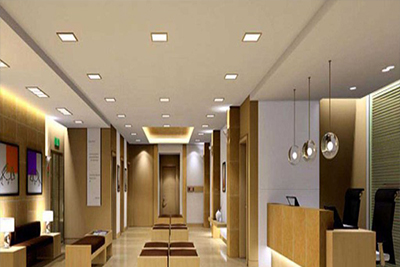
LED (Light Emitting Diodes) are the newest, most energy efficient lighting source available. Because of their tremendous efficiencies, the LED lighting technology is revolutionizing illumination as we know it.
Safe for use – No Mercury or other hazardous materials
Safe to light – No UV light emission
Durable – More rugged and longer life
Cooler light – Negligible generation of heat, hence more efficient AC cooling
Best alternative – With all aspects to compare, none stand better than LED lights

HVAC Solution

Air conditioning and Refrigeration consume significant amount of energy in building and in process industries. The purpose of performance assessment is to verify the performance of refrigeration system. The objective of the HVAC Solution is to estimate the energy consumption at actual load vis-à-vis design conditions.

Solar Power Generator

Using state of the art technology, we harness the Suns infinite source of energy to power our clients need, designed specifically for their needs. Green Solutions indeed! Solar Photovoltaic systems capture and harness Suns’ radiation and convert it into Electricity. The energy is free, and its supplies are unlimited.

Electrical maintenance

Electrical maintenance is the upkeep and preservation of equipment and systems that supply electricity to a residential, industrial or commercial building. We do maintain the electrical system of Commercial building, Residential building, Industries, Offices and schools.

power factor improvement

In an electric power system, a load with a low power factor draws more current than a load with a high power factor for the same amount of useful power transferred. The higher currents increase the energy lost in the distribution system, and require larger wires and other equipment. Because of the costs of larger equipment and wasted energy, electrical utilities will usually charge a higher cost to industrial or commercial customers where there is a low power factor.

Earth Pit Testing

The main reason for doing earthing in electrical network is for the safety. When all metallic parts in electrical equipments are grounded then if the insulation inside the equipments fails there are no dangerous voltages present in the equipment case. If the live wire touches the grounded case then the circuit is effectively shorted and fuse will immediately blow. When the fuse is blown then the dangerous voltages are away.

Thermal Imagine Inspection

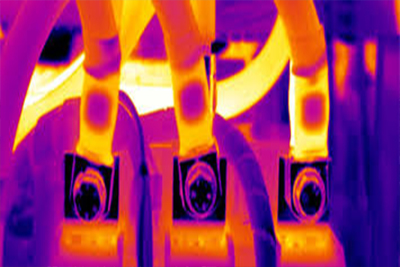
You can quickly locate temperature variations, which are often indications of underlying problems, and document them with detailed images in reports. By pinpointing potential sources of problems, you also save valuable inspection time and repair only what needs to be fixed, rather than performing repairs regardless of actual need. Repeated IR thermal temperature measurements of the same targets can determine whether repairs were successful and help anticipate future repairs.

Green Building Architect

A green building is one which uses less water, optimizes energy efficiency, conserves natural resources, generates less waste and provides healthier spaces for occupants, as compared to a conventional building.

Innovative Energy Equipment Solutions

Innovative Energy Solutions understands that an efficient Building management system is critical to any successful facilities management plan and we can help you achieve your goals and objectives. We assist our customers to reduce their energy and operation expenses in their facilities and improve building comfort.

Wind Energy Solutions

Wind power is the use of air flow through wind turbines to mechanically power generators for electricity. Wind power, as an alternative to burning fossil fuels, is plentiful, renewable, widely distributed, clean, produces no greenhouse gas emissions during operation, and uses little land.

Power Quality Audit

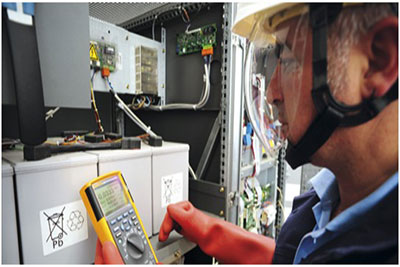
The Power Quality Audit (PQA), is a service that checks the reliability, efficiency and safety of an organisation’s electrical system. The PQA uses network analysers, instruments specially designed to detect faults and deteriorations and record parameters and information that may be of use in locating the causes of electrical disturbance. The data is collected and analysed by our engineers, who can then diagnose the problems and suggest the most appropriate solutions.

With the help of Power Quality Audit, we can measure Volts/Amps/Hertz, Dips and Swells, Harmonics DC, 1 … 50, Energy loss calculation, flickers, unbalance, inverter efficiency, inrush etc.